Retaining Walls & Concrete Masonry
Structural retaining walls and masonry work that holds back soil and transforms slopes.
Why Retaining Walls Need Professional Installation
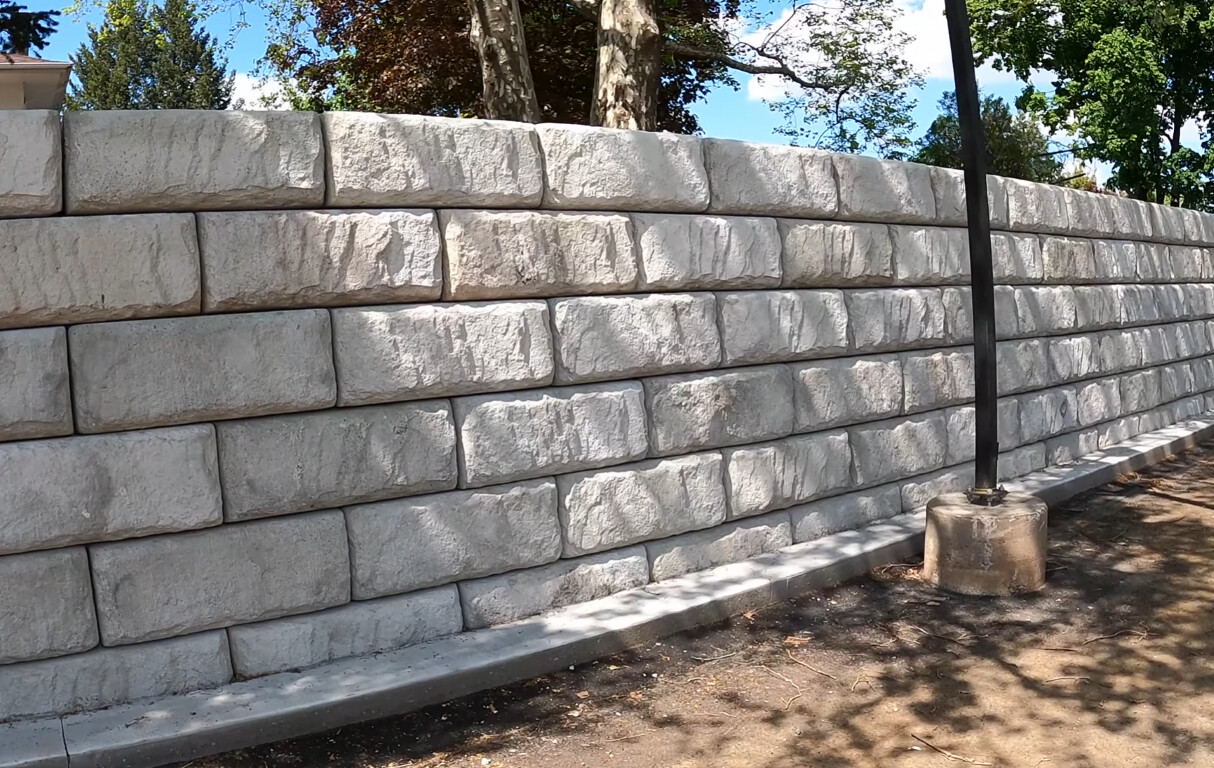
Retaining walls do serious structural work. They hold back tons of soil, resist water pressure, and prevent erosion. A poorly built retaining wall can fail, causing property damage, safety hazards, and expensive repairs. This is engineering work that requires knowledge of soil mechanics, drainage, and proper construction techniques.
We have been building retaining walls in Torrington since 2024 and understand the specific challenges of our area. Heavy clay soils, freeze-thaw cycles, and water drainage all affect how retaining walls perform. Every wall we build includes proper footings, drainage systems, and reinforcement to handle the loads and conditions it will face. When you work with BravoLine Torrington Concrete Works, you get walls engineered and built to last.
Retaining Wall Options We Install
Different situations call for different wall types. The right choice depends on wall height, soil conditions, drainage needs, appearance preferences, and budget. We help you understand the pros and cons of each option for your specific property.
We build retaining walls using:
- •Segmental concrete blocks (interlocking modular units)
- •Poured concrete walls with reinforcement and footings
- •Concrete masonry units (CMU blocks) with cores filled and rebar
- •Natural stone veneer over concrete backing for appearance
- •Boulder walls for rustic, natural look in lower height applications
For walls over 4 feet tall or with difficult soil conditions, we work with engineers to provide stamped plans that meet local building requirements. This ensures your wall is properly designed for the specific loads and conditions it will handle.
Our Retaining Wall Construction Process
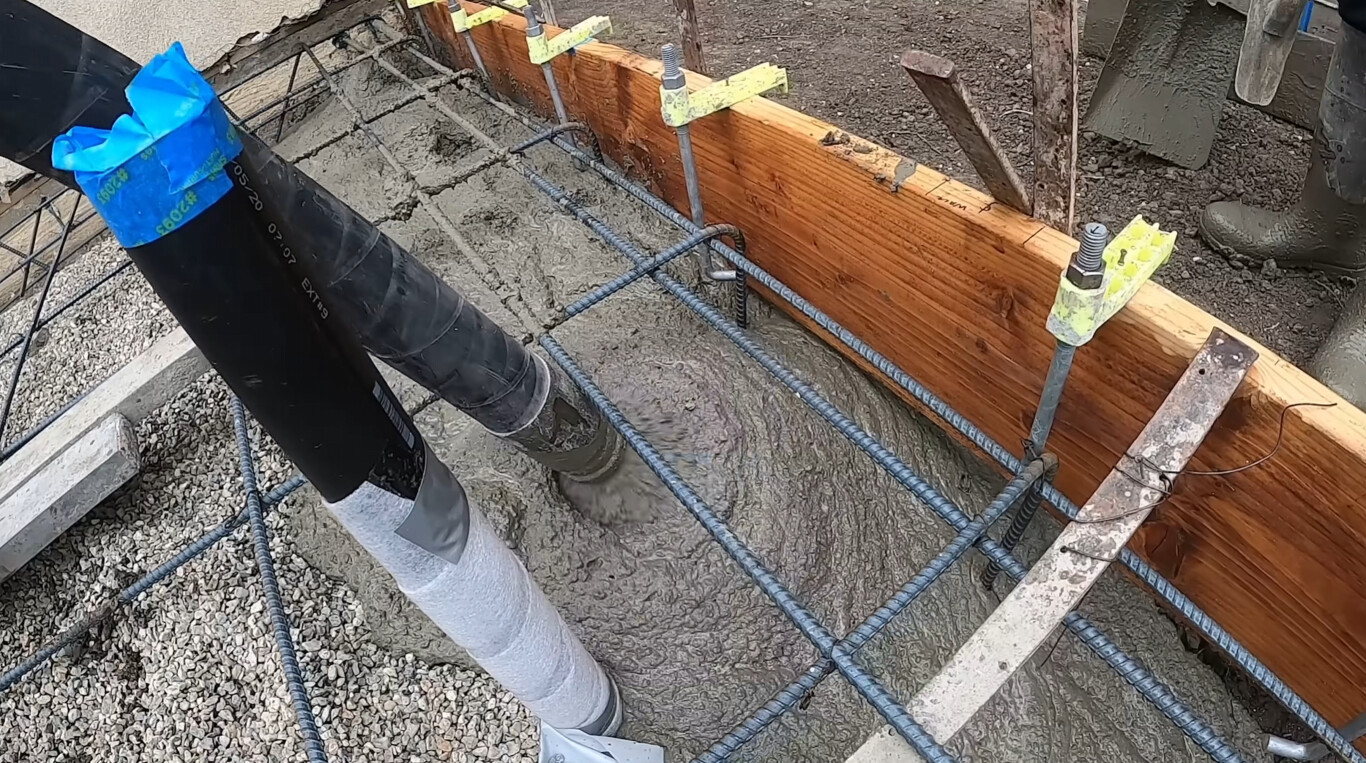
Every retaining wall starts with proper excavation and base preparation. We dig down to stable soil, create a level gravel base compacted to the right density, and install drainage systems before building the wall itself. The drainage is critical because water buildup behind a retaining wall creates pressure that can cause failure.
We install perforated drain pipe at the base of the wall, surrounded by gravel to collect and channel water. The water is directed to appropriate discharge points away from the wall and any structures. We also use geotextile fabric to prevent fine soil particles from clogging the drainage system over time.
The wall itself is built with proper setback or batter (slight backward lean) to resist soil pressure. For segmental block walls, we use pins or clips to lock courses together. For poured concrete or CMU walls, we install rebar reinforcement and backfill properly as we build upward. Quality backfill material and compaction are just as important as the wall itself.
Creating Usable Space with Retaining Walls
Beyond preventing erosion, retaining walls create functional outdoor space. They turn steep unusable slopes into level terraces for patios, gardens, or lawns. They define property lines, create visual interest, and solve drainage problems.
We also build shorter decorative walls for landscaping purposes, raised planters, and seating walls that add both function and beauty to your property. These applications still need proper construction but allow more flexibility in design and materials. If you are planning other concrete work like walkways or steps, we can integrate everything into a cohesive design.
Need a Retaining Wall Solution?
Call us to discuss your property challenges. We will visit the site, evaluate soil and drainage, and recommend the best wall type for your situation and budget.
(860) 607-9015